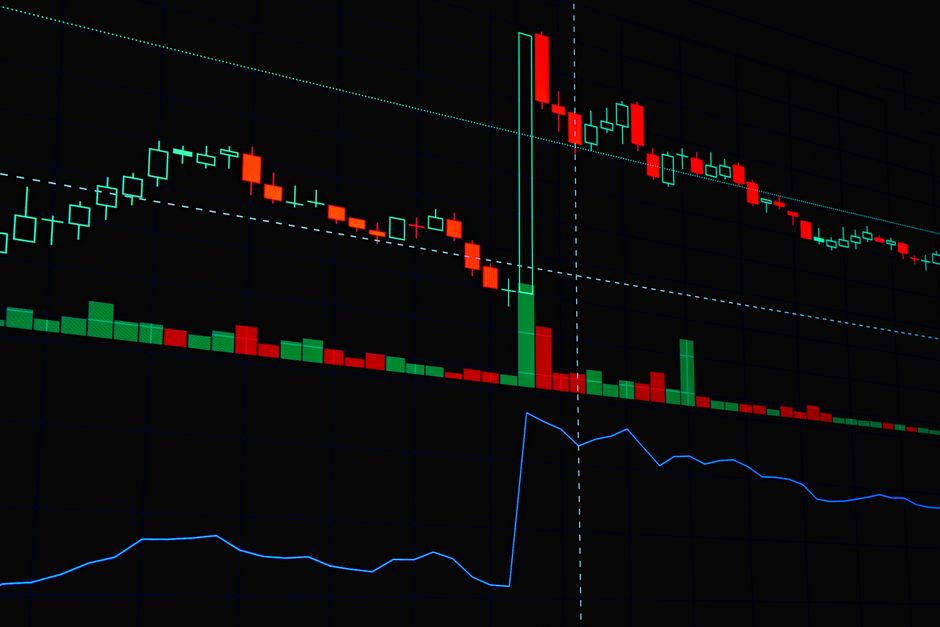
Analyst Forecasts Bitcoin Surge to $100,000 Amid Persistent Bear Market

Bitcoin has remained entrenched in a prolonged bear market throughout 2024, with its price hovering near $30,000 for much of the year. Market data from major exchanges shows a lack of sustained upward momentum, despite occasional spikes triggered by macro‑economic news or regulatory announcements. Analysts point to three primary factors sustaining the downturn: reduced institutional inflows, the lingering impact of the 2022‑2023 crypto crash on investor confidence, and the tightening of monetary policy worldwide that has made risk‑on assets less attractive. Institutional investors, who once poured billions into Bitcoin as a hedge against inflation, have scaled back exposure, citing higher yields in traditional bonds and uncertainty over future regulatory frameworks. Meanwhile, retail participants remain cautious after witnessing significant losses during the previous market correction, leading to lower trading volumes and weaker price support. Central banks in the United States, Europe, and Japan have maintained higher interest rates, curbing liquidity and dampening appetite for speculative assets such as cryptocurrencies.
Against this backdrop, a senior analyst at a leading research firm has projected a dramatic reversal, estimating that Bitcoin could reach $100,000 by the end of 2026. The forecast rests on three assumptions: a resurgence of institutional capital driven by new custodial solutions, the introduction of clearer regulatory guidelines in major economies, and the broader adoption of Bitcoin as a reserve asset by corporate treasuries. The analyst cites recent developments in institutional custody, including the launch of fully insured, on‑chain vaults by several major banks, which could lower operational risk and attract large‑scale investors. Additionally, the European Union’s MiCA framework, now in its final implementation phase, is expected to provide a more predictable legal environment, potentially unlocking capital that has been held back by regulatory ambiguity. Finally, the analyst notes that several Fortune‑500 companies have begun to allocate a modest portion of their treasury reserves to Bitcoin, signaling a shift toward viewing the cryptocurrency as a store of value rather than merely a speculative instrument.

The potential rebound carries implications for both the cryptocurrency ecosystem and the broader financial industry. A price surge to six figures would likely reinvigorate mining activity, prompting upgrades to energy‑efficient hardware and possibly accelerating the transition to renewable power sources in mining regions. It could also stimulate the development of new financial products, such as Bitcoin‑backed exchange‑traded funds and derivatives, expanding the market’s depth and liquidity. For the AI sector, higher Bitcoin valuations may increase funding availability for AI‑driven trading algorithms and blockchain analytics platforms, fostering innovation at the intersection of the two technologies. Conversely, a rapid price escalation could attract heightened scrutiny from regulators concerned about market stability and consumer protection, potentially leading to tighter oversight of crypto‑related services.
While the analyst’s bullish outlook is grounded in observable trends, it remains contingent on several variables that could alter the trajectory. Continued geopolitical tensions, unexpected shifts in monetary policy, or a resurgence of security breaches in crypto exchanges could undermine confidence and stall the projected recovery. Moreover, the forecast assumes that regulatory bodies will maintain a collaborative stance rather than imposing restrictive measures that could hinder market growth. Investors and industry participants are therefore advised to monitor developments in institutional custody solutions, regulatory enactments, and corporate treasury strategies closely, as these factors will likely determine whether Bitcoin can break out of its current bear market and achieve the predicted $100,000 milestone.
Source: Fortune